A Blog about Greek Food and Greece

  • Lentil Salad

    Lentil Salad

    Lately I am trying to find more ways to cook healthy foods which I can take for my work lunch and the following was made for that exact reason.  Lentils were something that I missed lately but doing a soup, during summertime wasn’t exactly my thing.

    So I decided to see what else can we do with lentils, and I did..

    It’s a pretty famous dish to be honest in Greece and many Middle Eastern countries with different variations, and i have played around with lentils in a salad many times in the past. I like them as an ingredient as they can be used in various ways as i am recently learning.

    In addition to that they can be really fulfilling. So…fulfilling, tasty (well…at least i liked it :$ ) , healthy (not a doctor but i think it is healthy) and traditional …Middle East food . 🙂

    Ingredients

    • 300gr of lentils
    • Around 10-13 cherry tomatoes
    • 1 big green pepper chopped
    • 4-5 sping onions chopped
    • 3-4 teaspoons of olive oil
    • 1-2 teaspoons of wholegrain mustard
    • 1 bay leave
    • salt and pepper
    • 1-2 teaspoons of vinegar

    Lentil Salad

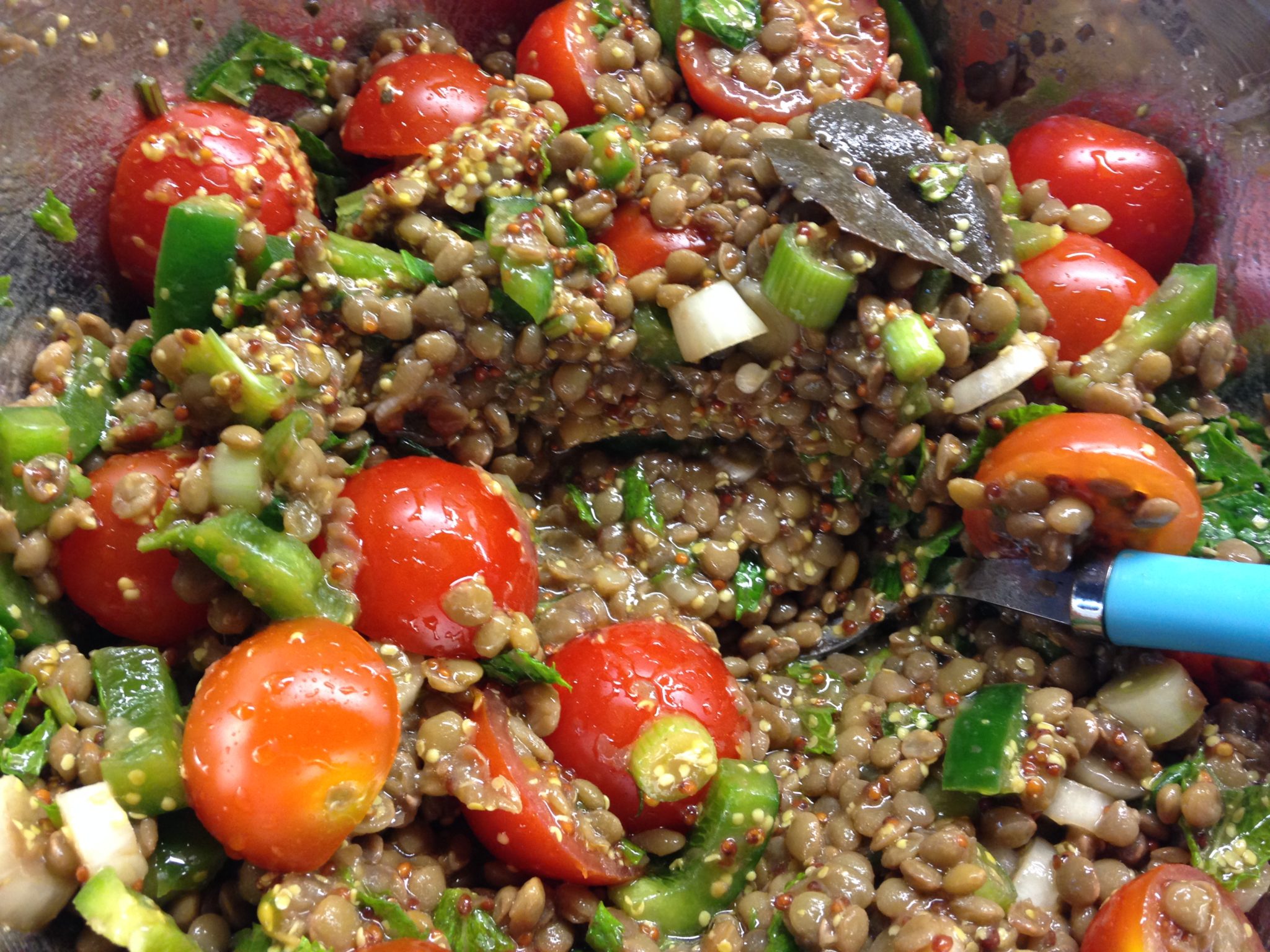
    In a big pot we prepare the lentils as we would when we are making the lentil soup. Add the bay leave,  a bit of olive oil and let them boil for  45 mins.

    Drain them and let it cool down

    Cut the cherry tomatoes in half and add them in a big bowl, add the lentils when they have cooled down and then the chopped spring onions and all the other ingredients including the mustard.  Be careful with the quantities of the vinegar so make sure you taste and add a bit more if necessary.

    Use your hands and mix them to go around!

    Put the bowl to the fridge and leave it over there for 15-20 minutes and… it is ready!


  • Papoutsakia (Stuffed Eggplants)

    Papoutsakia (Stuffed Eggplants)

    Papoutsakia is one of the classic Greek recipes you can find anywhere on Greece during summer time. It’s one of those that I always disliked when I was young but like many others i learned to appreciate as I grew older.

    Maybe it’s the minced meat, maybe the cream on top, or maybe the eggplants that make me like it so much now…Either way, I cooked it some hours ago and I believe was one of my best ever efforts…

    So let’s get quickly into action. The recipe is called Papoutsakia (=small shoes), or stuffed eggplants.

    Like many things in Greece this recipe is closely connected with our Turkish neighbours as you will find that eggplants are a common thing on our cuisine. Back in the days of the Ottoman empire they have created a thousand different ways to cook eggplants. Some of them were obviously introduced to Greece during the Ottoman occupation.

    However, the Greek version includes a lush topping of béchamel sauce, a relatively new addition to this dish introduced by the famous Greek chef Tselementes back in 1920. His books shared his vision for a refined Greek cuisine and confronted many traditional recipes to the French cuisine. This explains the addition of French cooking element to this recipe and many others like the famous Greek moussaka.

    Many people though try variations of this recipe without a bechamel sauce. Some, just add cheese on top or others make there own sauces with yogurt. Nevertheless, the following is as much as closer to the traditional recipe my mother used to cook for us during our childhood.

    INGREDIENTS FOR  PAPOUTSAKIA

    • 2-3 eggplants (one per person)
    • 500 grs of beef minced meat
    • 1 chopped onion
    • 1-2 slices of garlic
    • 1 can of chopped tomatoes
    • A small bunch of parsley
    • Salt and pepper
    • 1 cinnamon stick
    • Olive Oil
    • Red Wine
    • 3 teaspoons of butter
    • 4 teaspoons of flour
    • 3 glasses of milk
    • 1 egg
    • salt, cinnamon , nutmeg

    HOW YOU COOK PAPOUTSAKIA

    Slice the eggplants lengthwise to create 6 pieces. Put some olive oil on top of them and place them in an oven dish. Bake in the 180oC for 40 minutes or until you see that the inside flesh is soft and tender.

    When they are done, you take a fork/knife or anything that helps you and empty the flesh of the eggplant and keep it in a bowl as we will add it to the meat we are going to prepare.

    No flesh eggplants!! :)
    No flesh eggplants!! 🙂

    In a frying pan we put the chopped onion and the chopped slices of garlic and we saute them. Afterwards we add the minced meat in medium heat and stir.

    When it starts get to brown pour the red wine and lower the heat. When the wine is more or less evaporated we add the can of chopped tomatoes, salt, pepper, the cinnamon stick, and parsley and let it boil for half an hour. Make sure to add a little bit of water if you have to.

    Now for the béchamel Sauce, Ok I have to admit it was the first time I did it so… Melt the butter in a nonstick pan and add the flour and stir. You have to becareful, you need to stir all the time so it won’t stick. Pour the milk and continue whisking to prevent clotting. Remove the pot from the fire, and put the egg and mix. Finally the salt cinnamon and nutmeg.

    https://www.instagram.com/p/B0DWcg4hz2m/?utm_source=ig_web_copy_link
  • Olive Oil

    Olive Oil

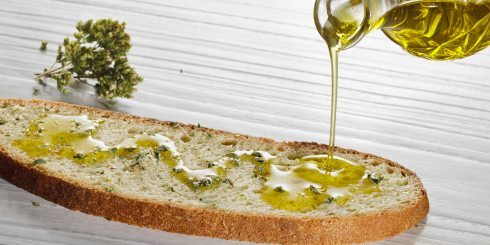
    Bread and Oil
    Bread and Oil

    I think by now if you have checked most of the recipes that are in this blog or any recipe that has to do with Greek food , that there is one ingredient that is almost everywhere. Olive Oil!

    Olive oil is one of the most celebrated ingredients and is being used almost everywhere but especially on the salads. Personally, I believe the taste that gives to food is second to none and when you use it together with vegetables and especially in the –all time classic- Greek salad then you understand why it’s so special.

    Background

    The olive tree grows in rocky and arid Mediterranean area. Produce fruit under adverse conditions of drought, strong winds and high temperatures, while the longevity and productivity, wrote the history of Mediterranean peoples. The olive enlightened, nourished, healed, posed up and identified with high ideals and inspired vigorous, for many years culture of the eastern Mediterranean.

    Symbol of knowledge, wisdom, peace, health, strength and beauty adored for thousands of years from the ancient Greeks.  It is a living part of a severe cultural heritage, legends, traditions and religious rituals closely associated with flowering, harvest and production of oil.

    The olive inherited a complex legacy of values, prosperity and culture that only recently able to evaluate and defend.

    Olive Tree
    Olive Tree, they can live for hundreds…thousand years.

    In general, Spain Italy and Greece produce 75% of world olive production and if you want to buy …look for Olive oil from those countries. Nevertheless, Greece produces the highest quality Extra-virgin olive oil, so …look for that also!

    In terms of recipes, olive oil can be used as a dressing to salads and food and of course for the typical –papara- that you will see a lot of Greeks doing whenever you are there for holidays.

    By Papara in Greece we mean when we mop up with bread the remaining sauces on a plate after the main part of the meal has been eaten or the salad oil remaining after the actual salad has been consumed.

    One of the best and simplest foods of Ancient Greece was Psomi me Ladi, toasted slices of sourdough bread slathered in olive oil and sprinkled with lemon juice and salt. Yeap, that’s how Greeks created democracy, eating only olive oil and slices of bread…

    Well, try that…do that simple think when you are hungry, take a slice of bread and put a little bit of extra virgin oil on top of it ..and maybe add a little bit of oregano or salt…or Feta Cheese.  I think you will be amazed on how beautiful taste you will get and if you experiment a little bit you will find what suits you best.

    Last but not least…where to buy them? Well, I think by now you should be able to find Olive oil in all big supermarkets. My personal recommendation would be to try to find olive oil from Mediterranean and of course even better from Greece.  In UK you can find easily in most of the local shops or markets and of course in all the big food super markets. Recently I discovered this online Olive Oil shop also for those that want to try something more unique. Haven’t bought from there but it worth to check out all the things you can get using Olive Oil.

  • Gigantes Plaki – Giant beans recipe

    Gigantes Plaki – Giant beans recipe

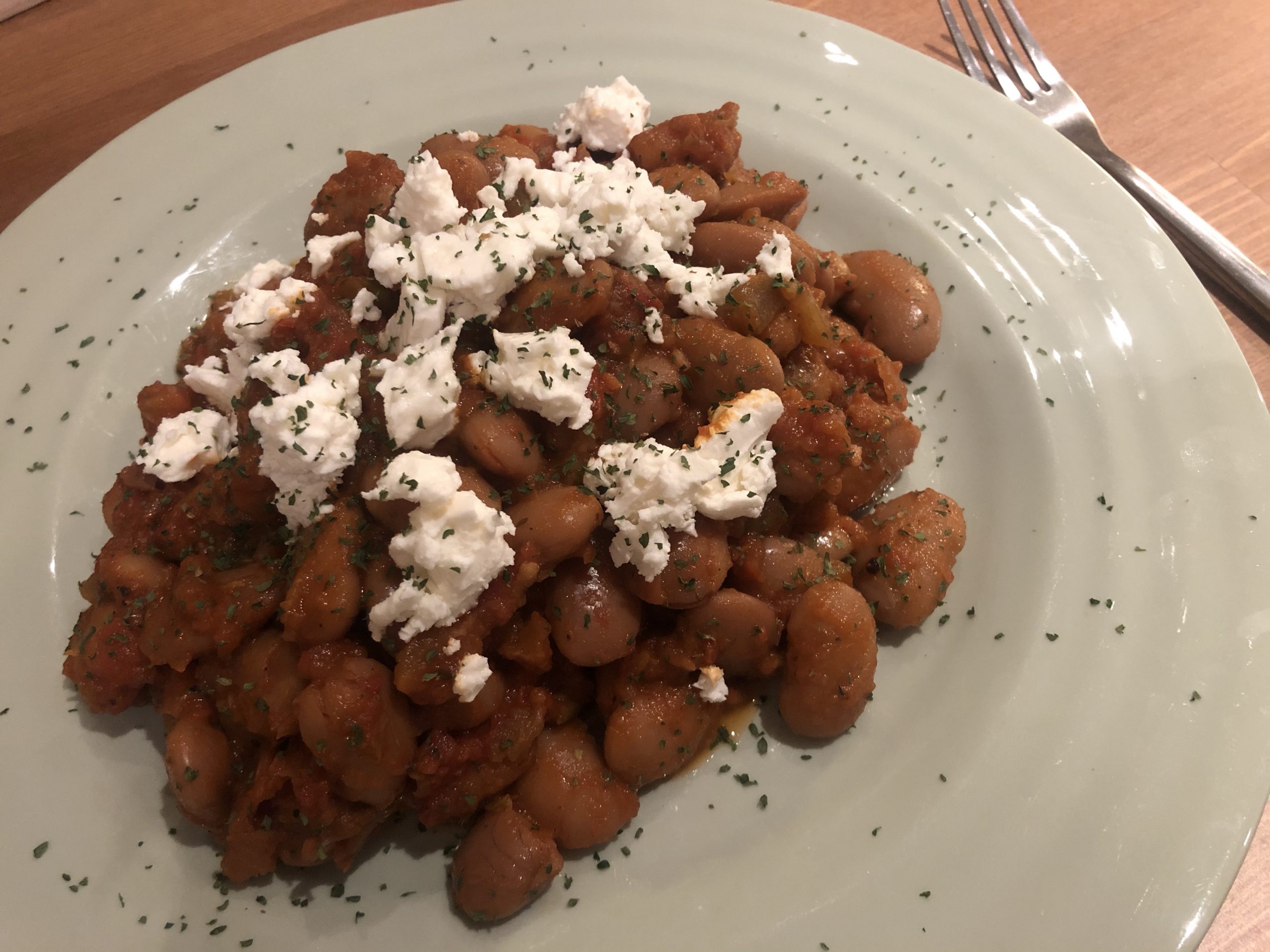
    There are some classic recipes that if you go to various restaurants in Greece you are bound to see them in the Menu’s. “Gigantes Plaki” are one of them..

    (more…)
  • Captain’s Spiros Pork with mustard and rice

    Captain’s Spiros Pork with mustard and rice

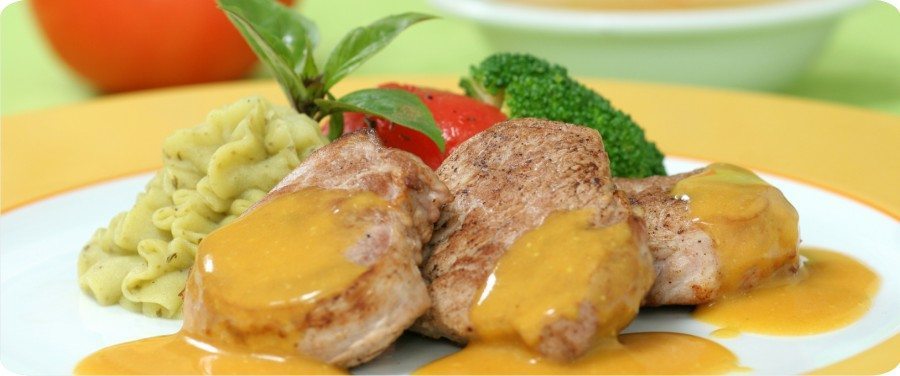
    porkchops with mustard
    porkchops with mustard

    Spiros is a good friend of me from Greece and Captain of the sailing boat we have been on vacations the last 2 summers. Not only he is brave enough to have me and my brother from time to time on his crew…but also he cooks really well.

    So here is the deal, he says come and i will rent a sailing boat and we will travel around the islands in Greece, the cost will be really low, and during the night cause you dont know how to cook (yeah right)  i will cook you Greek dishes on

    board….so how can you refuse offers like that?

    Couple of weeks ago, he came in the UK to visit us…and we as good guests…. we made him cook for us …again… Yeap,thats how good we are 🙂 As he is a really skilled diver and fisherman, his best recipes are obviously…anything with fish. Nevertheless, the last time he came over here he forgot some pork chops in my freezer…So i asked him a nice way to cook them. I promised him, if the recipe is good ill put it on the blog.  So thats what he wrote to me and i post it over here translated and without all the naughty  words that the captains ussually say to there crew..


    Captain’s Spiros Pork

    “We have just done commissions and we are now 10 miles from the nearest coast. The crew is hungry. Very hungry!

    We need to satisfy the animal instincts of survival ASAP!

    So we collect our materials:

    Pork with mustard and Rice

    INGREDIENTS

    • 1 kilo of pork cut into bite-sized pieces
    • 2 large onions, finely chopped
    • 3 tablespoon olive oil
    • A branch of Fresh mint
    • Fresh rosemary springs
    • 5 tablespoons mustard soup
    • Grated garlic and pepper
    • Salt
    • 2 cups white wine
    • 2 cups basmati rice

    METHOD

    • We give the crew a small amount of alcohol so they have something to be concerned until they food is ready. In a large deep pan, heat one tablespoon oil and put the pork.
    • Once browned we add the onions, the grated garlic and pepper, mint and rosemary. We stir over high heat When the meat takes all the juices that are created we add the wine.
    • Lower fire and enjoy the smell emitted. After the pork ‘drinks’ the wine add the mustard and salt and stir in order to create our is sauce. If you want to do what is called in Greece “papara” and soak the bread to the sauce , add a little bit more water and bring to a boil.
    • When it begins to boil turn off the fire. Serve together with rice Ready. Shout at the deck to serve. Serve in shallow dish of rice with meat.

    Enjoy your meal.

    p.s. I hope you have already taken care of someone other than the dishes after.”