It is nearly impossible to visit any social media site without seeing posts about food. A somewhat staggering 122 million Instagram posts are tagged with “#foodporn”; another 57 million are tagged “#foodie.” Social media is also filled with details on new “miracle’ diets that promise to help you lose weight, extend your lifespan, and cure a wide range of diseases.
For millennia one place on earth has quietly, and deliciously, prepared foods that are a foodie’s dream as well as one that is proven to have amazing health benefits. That is the cuisine of Crete.
Crete is the largest of the Greek Isles and one of the largest islands in the Mediterranean. Crete is the home of the Zeus, and the Minoan Civilization. The island features rolling hills, beautiful mountains, and of course, tons of beaches. Heraklion, the capital city, is a mixture of ancient and modern and one of the most popular tourist destinations in the Mediterranean. Ancient palaces and settlements are found throughout the island, making it one of the most unique places in the world.
Cretan Food Basics
It has been said that Cretan cuisine is built upon the “three Fs: freshness, fragrance, and family.”
Cretans have been advocates of “locally-sourced” foods long before it became a buzzword of the foodies. The diet is high in local fruits and vegetables and red meat consumption is fairly low. Bread is a staple, olive oil is the main fat, fish and poultry is used in moderation, and a glass (or two) or red wine usually accompanies a meal.
The health benefits of Cretan cuisine are undeniable. Researchers have long advocated diets modelled after the Cretan diet as a way to fight and prevent diabetes. Cretans have one of the world’s longest longevity rates. Cretan men have one of the lowest percentage rates of death from certain forms of cancer and heart disease.

Olive Oil
One of the key aspects of Cretan cuisine is the use of olive oil as the only fat. The traditional Cretan diet contains almost three times the fat content as that of consumed in the typical American diet. A great deal of the olive oil consumed is neither fried nor boiled.
Olive oil is rich in monounsaturated fatty acids. It is rich in antioxidants which provide a natural defence against certain types of cancers.

Bread
Bread, and a lot of it, is another part of the traditional Cretan meal. Once again Cretans consume about three times as much bread as the average American. With the exception of special breads prepared for holidays and feast days, the bread is usually wholemeal bread.
Rusk is a type of bread served in Crete. Rusk is made from wheat, rye, or barley flour, which is twice baked. The hard bread lasts for months and is served as an appetiser or snack with olive oil, or topped with fresh tomatoes, soft cheese, and herbs.
Fruits
Fruit trees are almost as abundant as olive trees on Crete and fresh fruit is available all year round. Citrus fruits such as oranges, grapefruits, lemons and tangerines are the main winter fruits. In the summer you will find apples, plums, nectarines, and peaches to be plentiful. During their seasons apricots, watermelons, figs, and pomegranates are abundant and are incorporated into a number of recipes or eaten as snacks and deserts. Crete is home to a number of unique foods including the Mousmoula, an orange coloured fruit similar to a nectarine. The tasty fruit is available in early spring.
Vegetables and Herbs
Cretan cuisine is one of the most vegetarian friendly diets in the world; and the flavour and variety of fresh vegetables even tempt confirmed carnivores to consider a lifestyle change.
Dried and fresh beans and greens are a staple of the traditional meals and all meals include freshly prepared or raw vegetables.
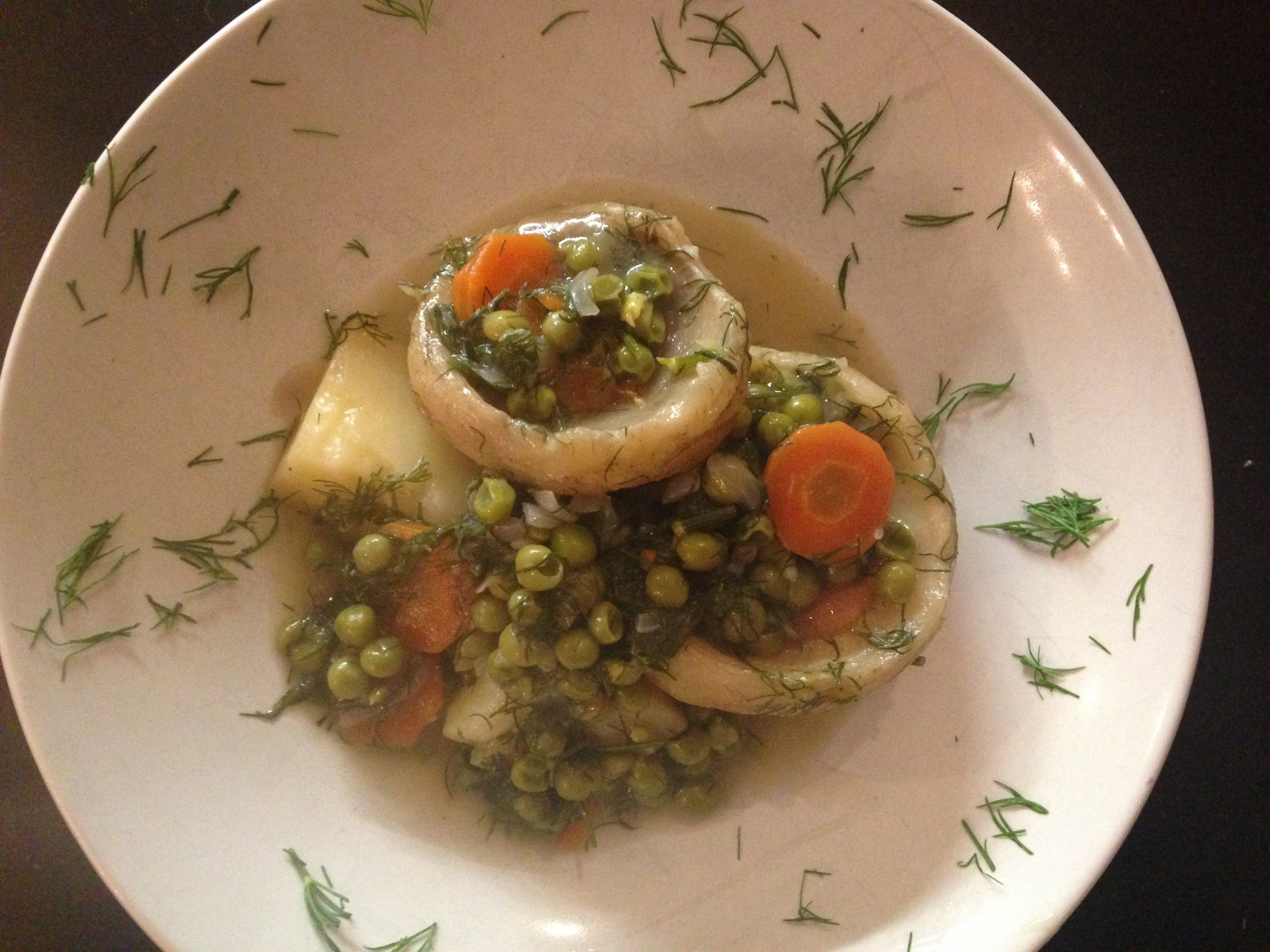
Aubergines and artichokes, which grow wild on the island, along with tomatoes are used in many dishes and all are considered to be among the tastiest to be found anywhere.
More than thirty greens are native to the island many can be found growing wild as well as being grown on local farms.
Earlier we mentioned fragrance as one of the “three Fs” of Cretan cuisine. This is due to the abundance of herbs, most of which are found in abundance growing wild, including oregano, thyme, basil, fennel, dill, sage, and marjoram, all adding delicious tastes and aromas to meals.

Dairy
Dairy products are consumed in moderation but are still a key ingredient in the local cuisine.
Grete cheeses are abundant and come in a large number of varieties. One of the best ways to sample the island’s cheese is to visit the local markets such as the Wednesday market in Heraklion.
Among the types that must be tried are:
- Anthotiros – This cheese is made from sheep and goat milk. The cheese is salty and earthy when it is hard and very mild when it is soft.
- Kefalotiri – A firm sheep or goats cheese
- Mizithra – This is the traditional Cretan fresh cheese which is made from sheep’s milk. It is called katsikithia when made from goat’s milk.
- Graviera – Is a typical hard cheese that is typically made with sheep’s milk. The cheese is served hot fried or cold.
- Greek yogurt (although the locals simply call it “yogurt”) is served frequently, often mixed with honey and fresh fruit or nuts.
Meat
Meat makes up only a small part of the typical diet, and red meat is served perhaps once a week. Poultry and fish are the predominate meats served and are typically grilled.

Drinks
Red wine is a staple with most Cretans enjoying at least a glass with every meal. Children are often given small glasses as well. Red wine has a long list of proven health benefits.
The island is famous for some its native beverage; tsikoudia. This alcoholic beverage is also known as raki and is a grape based brandy with an alcohol content between 40% and 65%. It make by distilling the pomace, the pieces of grapes including stems and seeds, left over after pressing the grapes for winemaking.
Cretan Cooking
While obviously the best way to enjoy Cretan cuisine is to visit the island, which is rich in history and beauty in addition to having some of the world’s best food. However since the basic concept of Cretan cooking is fresh ingredients and simple preparation methods it is one of the easiest cuisines for the home chef.
Some of the dishes well suited for trying Cretan cuisine in your home are:
- Black-Eyed Peas with Fennel
- Lamb with Greens, Artichokes and Avgolemono Sauce
- Olive Oil Cake – Don’t let the name fool you, the cake is incredibly moist and tasty.
- Fasolakia – Fresh beans cooked with crushed tomato and olive oil.